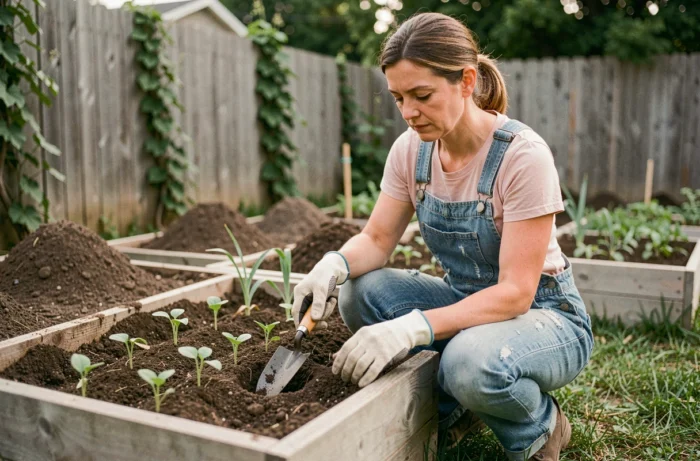
A poorly prepared soil, imprecise watering, or an unsuitable substrate can ruin a growing season long before a pest gets involved. Equipping your garden properly starts with understanding the interactions between the soil, water, and the tools that work them, then investing in the equipment that addresses the real ground issues.
Substrate quality and soil preparation before any planting
The success of a vegetable garden is determined below the surface. Compacted soil limits root penetration and water infiltration, regardless of the care given to watering or fertilization afterwards.
We recommend testing the soil texture before purchasing any tools. Clay soil cannot be worked with the same equipment as sandy soil. The grelinette, often presented as a universal tool, is only truly suitable for soils that are already alive and relatively loose. On heavy, never-turned soil, a four-pronged fork remains more effective for the initial decompaction work.
The choice of substrate for raised beds or growing pots deserves the same rigor. A mix of topsoil, mature compost, and draining material (pumice, perlite) provides a balanced root environment. Lasagna permaculture works, but requires several months of decomposition before producing a usable substrate for demanding vegetables like tomatoes or squash.
For those gardening on a balcony or in limited space, the depth of the pot directly influences the choice of plants. A shallow pot is suitable for herbs and salads, but not for root vegetables. Before investing in containers, it is better to list the targeted crops and adapt the volume of soil to each species.
Controlled watering: from drip irrigation to solar timers
Watering represents the area where equipment makes the biggest difference between a gardener who suffers and one who controls. The watering can remains useful for seedlings and young plants, but beyond a few square meters of cultivation, it becomes a hindrance.
Drip irrigation with a timer solves two problems simultaneously: the consistency of water supply and the reduction of waste. Water arrives directly at the base of each plant, limiting the growth of weeds between rows and reducing fungal diseases related to wet foliage.
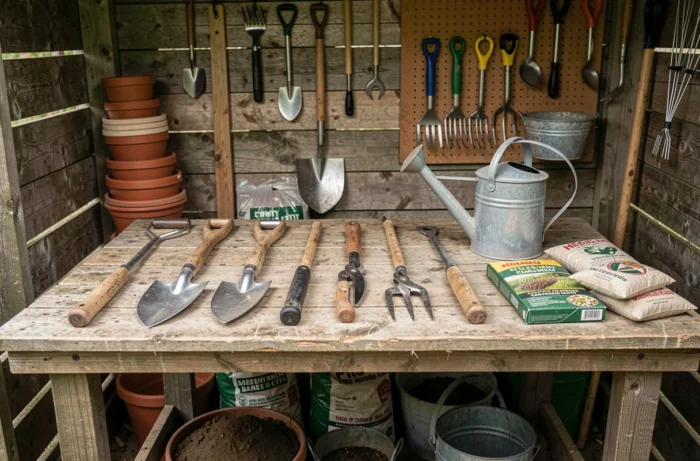
We are seeing a notable shift towards solar timers, which eliminate the constraint of an electrical connection to the garden. Some recent models even incorporate rain sensors to automatically suspend watering in case of precipitation. Systems like the Aiper IrriSense 2 go further by offering multi-zone control via a mobile app, with integrated weather detection. This type of connected equipment allows for adjusting water supplies according to the seasons and the actual needs of each area of the garden.
Before equipping yourself, it is wise to discover the equipment on Spot Jardin to compare solutions suited to your area and crops.
Pruning and maintenance tools: choose based on the cut, not the brand
A poorly sharpened pruner crushes plant tissues instead of cutting them. Healing is slower, and the risk of infection from pathogenic fungi increases. The main selection criterion is neither price nor brand, but the type of cut.
- The bypass pruner (clean cut by blade crossing) is suitable for green stems and living branches up to about two centimeters in diameter. It is the basic tool for vegetable plants, herbs, and small fruit shrubs.
- The anvil pruner (a blade that crushes against a flat support) is only for dead or dry wood. Using it on living wood causes crushes that promote diseases.
- The ratchet or geared lopper multiplies the force applied and allows for cutting larger diameter branches without excessive effort, which preserves the joints during long pruning sessions.
Disinfecting the blades between each plant remains an underestimated practice. A pass with 70° alcohol between two rose bushes or two fruit trees is enough to limit the spread of pathogens like bacterial canker.
Noise standards and safety of powered tools in 2026
Garden equipment articles almost systematically ignore the regulatory dimension. Since 2024, several harmonized standards related to the European Machinery Directive have been revised for lawn mowers, string trimmers, blowers, and garden shredders. These revisions concern acoustic power levels and user protection.
In practice, this means that the loudest thermal models are gradually disappearing from the market in favor of electric or battery alternatives. The choice of a powered tool is no longer based solely on cutting power, but also on the declared noise level and compliance with current standards.
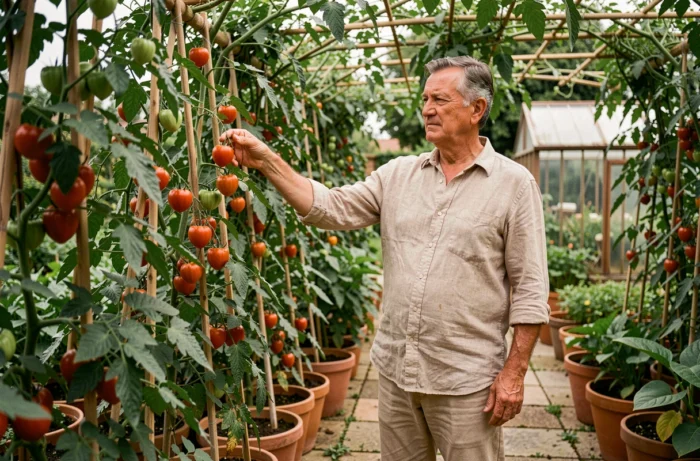
For a garden in a residential area, we recommend systematically checking the guaranteed acoustic power value (noted LWA) before any purchase. An electric blower with a low LWA allows for working in the morning or late in the day without causing neighbor disputes, a factor that many gardeners discover after purchase.
Crop protection: covers, nets, and tunnels according to the seasons
The tools for working the soil and watering are useless if the crops are destroyed by frost, hail, or pest insects. The physical protection of plantings is an integral part of garden equipment.
- The forcing cover (type P17) accelerates soil warming in spring and protects seedlings from late frosts. It is placed directly over the crops without a frame.
- The rigid plastic or film forcing tunnel creates a microclimate that allows for gaining several weeks on the planting schedule, particularly useful for frost-sensitive vegetables like peppers or eggplants.
- The fine mesh insect net blocks flea beetles, cabbage worms, and carrot flies without resorting to treatments. It must be placed as soon as sowing begins and maintained until harvest to be effective.
Adapting protection to the seasons and local pests avoids investing in unnecessary equipment. A gardener in an oceanic climate does not have the same priorities as a gardener in a continental zone.
Garden equipment is not just a checklist of tools to tick off. Each purchase should address an identified problem on your land, your climate, or your target crops. A well-sharpened pruner and an appropriate watering system will always yield better results than a shed full of tools never used.