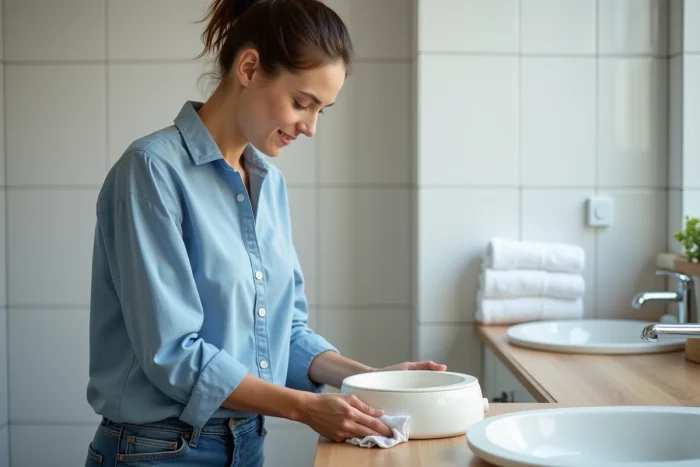
A foam toilet seat riser forgotten at the back of the bathroom suddenly becomes, without warning, the favorite playground for bacteria. Even if it appears impeccably white at first glance, it can hide invisible residues and stubborn odors. Manufacturers sometimes recommend weekly cleaning, but often provide only a summary instruction manual, too vague for delicate materials like foam. And if you thought you were doing the right thing by pulling out bleach and powerful cleaning products, bad choice: these overly aggressive solutions erode the coating and shorten the lifespan of the accessory.
Why the maintenance of the foam toilet seat riser should never be neglected
The foam toilet seat riser has become a staple for many households, especially when it comes to supporting the independence of an elderly person, an adult with reduced mobility, or a child needing extra support. Easy to install and comfortable, it provides safety during use. However, foam, so soft to the touch, is a real moisture trap. It’s hard to see the deposits and bacteria that settle there, but when cleaning is delayed, their presence quickly becomes noticeable through unpleasant odors and a musty feeling that sets in. In terms of health and hygiene, a simple oversight can be enough to promote the proliferation of microbes and infections. Not to mention that the foam will age prematurely, turn yellow, and become fragile, impacting both the product’s lifespan and the safety of the person using it.
In light of these issues, every trip to the bathroom should be accompanied by real consideration of cleaning frequency, method choice, and the nature of the products used. Manufacturer instructions often leave people puzzled, especially for those looking to extend the lifespan of the equipment without risking health. Need proven advice? Read the article how to clean a foam toilet seat riser: it clearly reminds us why regularity and gentleness prevail over the use of aggressive cleaners.
Choosing the right foam toilet seat riser to facilitate maintenance
Acquiring a foam toilet seat riser is not just about calculating the necessary height increase. It’s also about anticipating daily hygiene constraints, cleaning frequency, and repeated handling. Several criteria should draw attention before making a purchase:
- Opt for dense foam, whose smooth surface has received a moisture-resistant treatment: this makes cleaning easier and stains settle much less quickly.
- Check the robustness of the fixing system, essential to avoid any play that could promote infiltration and make cleaning tedious.
- Choose a model that is easy to disassemble: a removable riser allows access to all areas exposed to dirt.
- Select based on the weight supported and the user’s morphology: stability is of utmost importance, especially for repeated or family use.
- Consider the benefit of adding accessories such as side handles or a support, designed both for safety and to limit handling of the entire unit during cleaning.
Prices range from 25 to 200 euros depending on the brand, comfort options, and sturdiness. Reflecting on these points in advance saves time during maintenance and avoids unpleasant surprises during use.
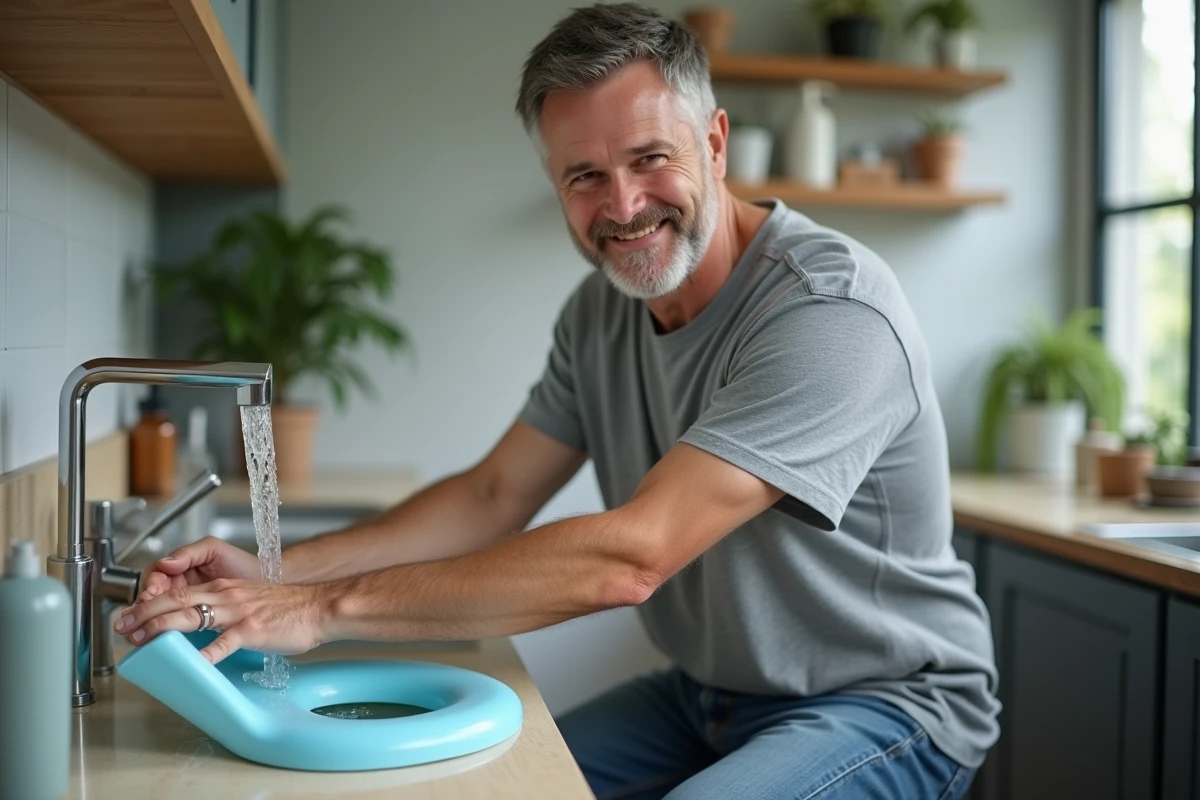
My routine for effectively cleaning a foam toilet seat riser
A foam toilet seat riser is subjected to significant demands: ambient humidity, splashes, and sometimes stubborn residues. To preserve its condition, it’s best to adopt a few effective habits, to be applied at least once a week, or even more often if the toilet is used by multiple people or if the risk of infection is increased.
To limit the premature wear of the foam, there are accessible and coating-friendly solutions. Here are the ones I regularly use:
- Natural products like white vinegar, Marseille soap, or diluted hydrogen peroxide: they gently remove bacteria from the surface without altering the coating.
- Using a microfiber cloth allows you to remove dirt without ever scratching the foam.
- For more stubborn stains, a paste made of baking soda and water proves particularly effective, without requiring significant scrubbing effort.
However, it’s best to forget abrasive sponges, chlorine-based products, or any corrosive detergent. They irreparably damage the foam and lead to a rapid loss of comfort. Disinfecting wipes are convenient for quick fixes, but do not ensure thorough maintenance.
Once clean, special attention must be paid to drying. When possible, remove the riser from the bowl, carefully clean the contact points, and let it dry completely in the open air. Avoiding moisture marks is the only way to cut short the proliferation of bacteria. Finally, share these habits with all concerned individuals at home, especially if the user is fragile or elderly.
Because sometimes it just takes a good gesture at the right moment to delay the appearance of odors and the risks associated with wear, maintaining the toilet seat riser tirelessly protects the dignity and peace of mind of those who use it daily.