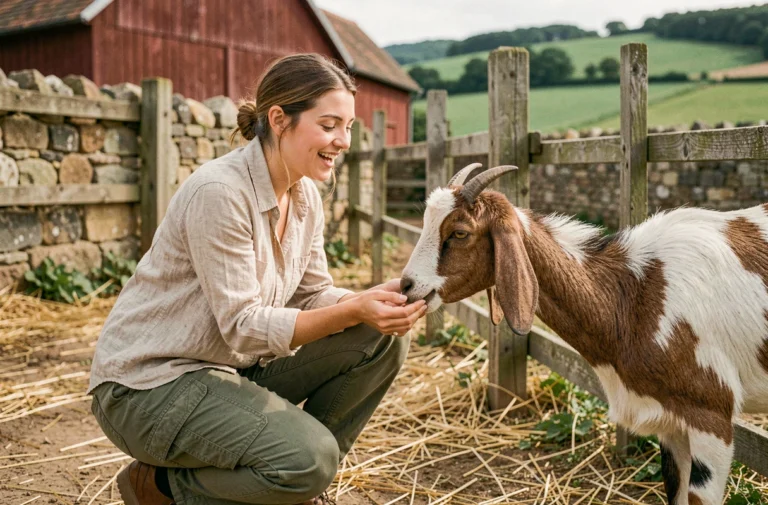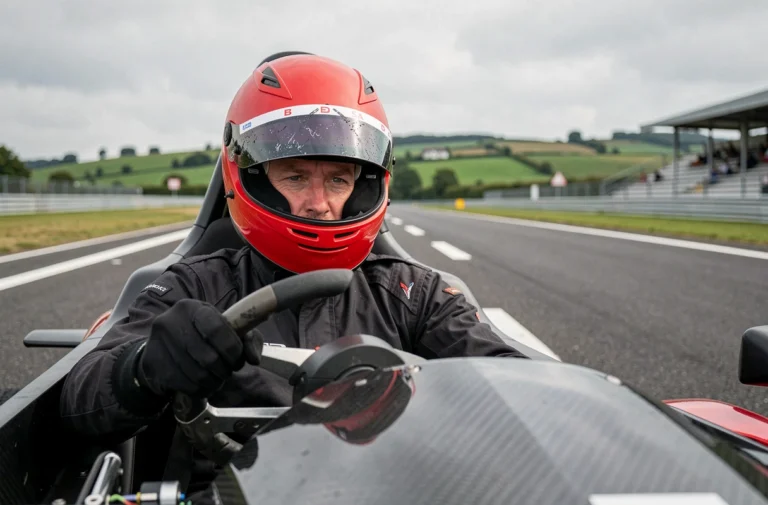
Silence is not always synonymous with withdrawal: it sometimes reveals a sharp gaze on the world and a quiet strength. Some find their balance in moderation and discretion, sheltered from the noise, without ever turning their back on others. Reserve does not deny sociability; it simply redefines the rules of the game.
Day after day, some choose restraint, but never at the expense of deep relationships. They enjoy company, prefer to avoid crowds, and keep their distance from hollow exchanges. What attracts them most are those moments of authenticity where no mask is needed. The bonds they weave thus take on their full meaning: every gesture carries weight, every word resonates.
For them, solitude is experienced as a restorative stopover. It is neither a break nor a refuge, simply a suspended time, without a cut-off from others. A family meal, a small group meeting, a thoughtful conversation: they need no more than that to nourish their need for interaction, without betraying themselves. It is neither escape nor embarrassment; here, reserve comes from a conscious decision, never from imposed constraint.
Introversion, extraversion: reality is invented between the two
Labeling a personality, sticking a label, is reassuring. But in real life, nothing is fixed. Introversion involves the desire to recharge in calm and human-sized dialogues; extraversion, on the other hand, feeds off the rhythm of the group. Yet, no one remains fixed in a posture: situations, moments, moods shift the sliders. Tools like the MBTI (Myers-Briggs Type Indicator) outline preferences, but one must account for context, evolution, and experience.
For those who want to better understand the nuance of this attitude, there are the characteristics of a reserved person. What often comes up with these profiles: an attentive ear before speaking, a need for a climate of trust to reveal their true nature. It has nothing to do with clichés or superficial judgments.
Reserve in practice: clear guidelines
Adopting discretion is not about fading away; it is simply choosing to intervene with intention, refusing noise to give depth to every word. This posture is illustrated in several concrete attitudes:
- A sharp sense of observation: nothing escapes them. Subtle signals, micro-details, everything is recorded, where others are carried away.
- A measured language: no need to fill space, each intervention hits the mark, the verb goes straight to the point.
- A tight social circle: priority is given to the quality of relationships, not the number of contacts. Friendship is cultivated with loyalty.
It happens that one confuses reserve and shyness, but the difference is glaring. Refusing verbal excess by choice is not retreating out of fear. When restraint asserts itself, one moves forward with coherence and confidence, without getting lost in uncertainty.
Less inclined to the spotlight, these individuals prefer to act rather than shine. The facts speak for them: solid organization, practical creativity, the ability to assert an original place without forcing the trait or yielding to norms.

The reserved, silent artisans of the collective
In environments where everyone raises their voice, the more discreet presence is all the more valuable. Groups composed of reserved profiles gain an additional finesse: less excess, more perspective, the temptation for impulsive decisions fades.
This composed temperament brings a taste for reflection to the team, a vigilance in the face of emotions that sometimes surge. Their way of taking time brings forth solid ideas and dispels certainties that are too quickly formed. Need for a serene climate or more candid conversations? They infuse honesty and depth, well beyond appearances.
Allowing everyone the choice of their mode of expression, intervention or reserve, nourishes a dynamic that is as solid as it is peaceful. Patience, listening, respect for the collective rhythm: the whole team benefits. A calm settles in, discreet but effective, whose influence is felt long after the tumult.
When the noise subsides, the mark left by these withdrawn presences remains. Like a subtle trace on a soothed ground, their influence continues to act, discreet and enduring.