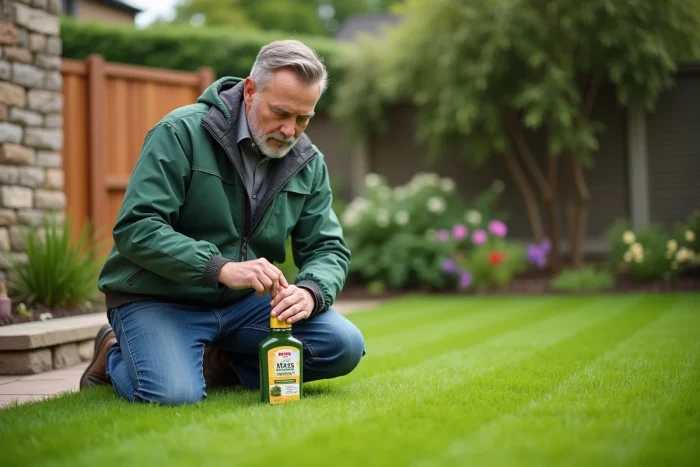
Iron sulfate products often promise quick results but increase soil acidity in the long term. Some biocides approved for domestic use still pose risks to animals and microfauna, despite reassuring labeling. Natural solutions, sometimes relegated to the background, surprisingly show effectiveness over time and preserve the biological balance of the garden. The criteria for selection are no longer limited to immediate effectiveness but now include environmental impact and ease of application.
Understanding moss in the garden: causes, impacts, and misconceptions
Moss settles in many gardens, discreet or invasive depending on the seasons. Often, it raises concerns, suspicion, and misconceptions about the health of the lawn or the quality of the soil. However, the appearance of moss is not a sign of a neglected garden. It rather reveals the presence of specific conditions: acidic soil, nutrient deficiency, excessive moisture, or lack of light. A compacted, impoverished, or poorly drained area quickly becomes a haven for moss, especially if it receives little sunlight, under trees or in forgotten corners.
Moss does not directly attack the lawn. It settles when the grass weakens, when weeds gain ground, or when the soil loses its balance. Contrary to popular belief, it does not destroy the lawn: it simply occupies the space left vacant by declining grass. It is the competition for light and nutrients that hinders the recovery of the lawn, not the moss itself.
Assess the true consequences before deciding to intervene. A carpet of moss is not always an enemy: it retains moisture, shelters microfauna, and sometimes limits erosion. But if the goal remains a uniform lawn, choosing the best moss killer becomes a decision to be made with discernment, after identifying the underlying causes and the specifics of your soil. Observing your land and understanding its particularities helps avoid inadequate treatments and preserves the living organisms that enrich your garden.
What products and methods to eliminate moss without harming your environment?
The hunt for moss divides opinions: should we prioritize speed or consider the garden’s biodiversity? Chemical moss control products, based on iron sulfate or herbicides, leave a lasting footprint in the soil. Yes, iron sulfate acts quickly, but it acidifies the ground, encouraging the return of moss and disrupting the natural balance of the garden.
There are non-chemical techniques that deserve your full attention. Scarification, done at the right time, removes moss without resorting to aggressive agents. By mechanically uprooting the moss, you aerate the lawn, stimulate grass regrowth, and respect the microfauna. This approach is ideal for already fragile lawns.
If you lean towards gentler solutions, natural alternatives provide lasting results. Spreading wood ash, rich in minerals, helps readjust the pH of overly acidic soils and slows moss growth. Beware of bleach, often wrongly recommended: it permanently pollutes the soil and harms wildlife.
To promote biodiversity, adopt simple actions: regularly aerate the soil, sow grass varieties suited to shade or drought, and enrich the earth with compost. Favor occasional interventions, always tailored to the real needs of the land, to maintain a living ecosystem that defends itself.

Maintaining a healthy garden: prevention, natural solutions, and good maintenance practices
The appearance of moss often stems from a compacted, acidic, or poorly lit soil. To limit this phenomenon, soil aeration remains the reflex to adopt. Regularly use an aerating fork or a manual scarifier: this simple action improves water infiltration, reduces stagnant moisture, and stimulates microbial life underground.
Preventive action also involves using lime in soils with excessive acidity. Apply a thin layer of lime or sifted wood ash, ensuring you respect the doses suitable for your soil type. Lime helps gradually restore a favorable pH for the lawn and slows the progression of moss.
Strengthening the lawn with natural fertilizers is a reliable practice. Well-matured compost, organic mulching, and fertilizers made from ground horn or bone meal support plant diversity and nourish the soil gently, without impacting beneficial fauna.
Some maintenance habits make a difference in daily care:
- Set the mowing height correctly to encourage a dense and robust lawn.
- Moderate watering, especially during wet periods, to avoid root asphyxiation.
- Use mulching around flower beds to enrich the soil and retain moisture.
Promoting biodiversity also means accepting the presence of certain spontaneous plants. This fragile balance strengthens a living garden, making it less vulnerable to moss and better equipped to face climate whims.
The true luxury of a garden is not measured by the perfection of a lawn but by the vitality of the soil and the richness of the life hidden within it.