No universal medical guidelines exist for recovery after a mastectomy; each protocol varies according to health status, type of surgery, and recommendations from the care team. However, certain actions, often overlooked, can speed up recovery and reduce the risk of complications.
Professionals emphasize the need to gradually adapt physical activity and monitor for unusual signs. Attention to diet and pain management also plays a crucial role in resuming a balanced daily life.
What to expect after a mastectomy: key stages of recovery
After breast surgery, returning to normal life never happens with a magic wand. From the moment you leave the operating room, the priority is managing pain, preventing complications, and providing moral support. The length of hospitalization varies: it may be short for a simple mastectomy but extends if the procedure is more extensive or if other health factors come into play.
The first few days require heightened vigilance: monitoring dressings, observing the scar, checking the condition of drains when present. Post-operative medical follow-up cannot be improvised: it relies on regular appointments to detect any infection or potential lymphedema as early as possible. The therapeutic context also matters: radiotherapy, chemotherapy, or hormone therapy can alter the course of care.
The question of returning to usual activities arises quickly. Recovery after a mastectomy is built step by step. The work stoppage, prescribed by the surgeon, depends on the nature of the operation and the profession practiced. Daily life activities gradually reintegrate into the routine, under the attentive supervision of the care team.
Several points of vigilance accompany this period:
- Monitoring of healing and the operated arm
- Pain and mobility management
- Assessment of physical and psychological fatigue
Regaining satisfactory autonomy involves listening to the body and respecting the time needed for healing. Medical support, patience, and the quality of care form the foundation of a reconstruction that touches both the physical and the intimate.
What care and actions promote a peaceful recovery in daily life?
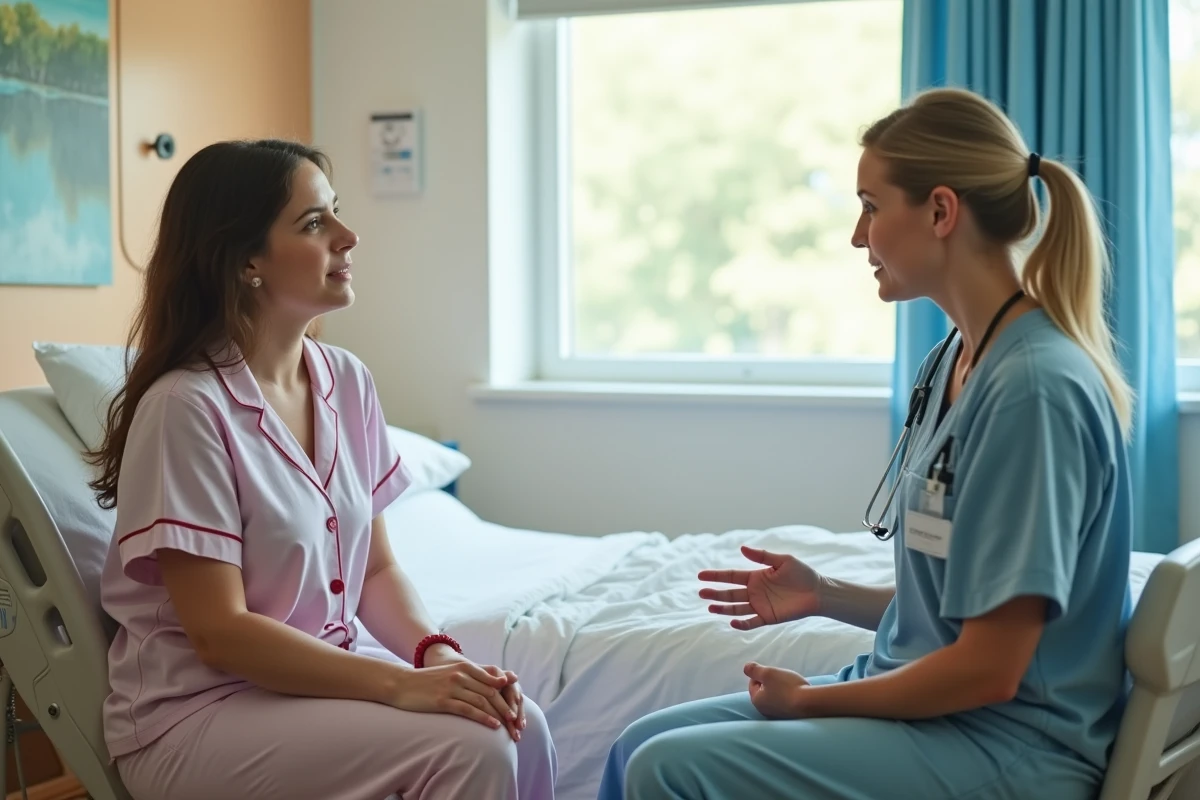
The first days after the procedure require rigor and gentleness. Home care rhythms recovery: it is necessary to monitor the scar, change dressings, and check the condition of drains if needed. The nurse becomes a key contact, and strict adherence to medical instructions reduces the risk of infection while optimizing healing.
Manual lymphatic drainage, performed by a professional, is often recommended to prevent lymphedema, the swelling of the arm that causes so much concern. Gentle movements, guided by the physiotherapist, maintain circulation and preserve tissue flexibility.
The psychological dimension should never be neglected. Moral support after a mastectomy is fundamental: psychologists, support groups, and socio-aesthetic workshops become valuable resources for taming self-image, regaining confidence, and reclaiming one’s body.
As the weeks go by, daily care revolves around several axes:
- Rigorous hygiene of the operated area
- Progressive mobilization exercises for the arm
- Regular consultations with support care teams
- Use of socio-aesthetic services for well-being
Recovering after breast cancer is not limited to physical healing. It is the entire inner balance that is rebuilt. The alliance between nursing care, physiotherapeutic support, and psychological assistance fosters a return to calm and life.
Nutrition, movement, well-being: practical advice to support your recovery
The post-operative period leaves no room for improvisation. Nutrition, for example, is not a mere detail: a plate rich in proteins (fish, eggs, legumes) promotes tissue repair. Fruits and vegetables, loaded with vitamins and antioxidants, strengthen an organism put to the test.
Movement remains a priority, far from being incompatible with recovery. As soon as possible, gentle mobility of the operated arm should be encouraged. The physiotherapist’s advice guides each movement to avoid stiffness and loss of range. Walking, deep breathing, slow movements: every step counts in restoring confidence in one’s body. Physical exercise, even moderate, also supports emotional balance.
Mental well-being is present at every stage. Taking the time to listen to one’s feelings, manage stress, and reinvent daily life is what allows progress. Meditation, relaxation, group meetings: these are all levers to release fears and nurture hopes.
To facilitate this recovery, here are some simple actions to integrate into daily life:
- Stay hydrated regularly: water promotes the elimination of toxins and supports the skin.
- Allow yourself rest periods without guilt: fatigue is part of the healing process.
- Don’t hesitate to seek psychological help or request specialized support services.
Breast reconstruction, whether immediate or performed later, requires time and tailored support. Each journey remains unique. Dare to question each step, communicate with caregivers, and express your needs openly. The path to healing is never a straight line, but it allows you to gradually tame a new chapter of life.